What a $7 billion AI acquisition means for the tools you already pay for
Corey Berg, Fractional Chief AI Officer
- automation
- pricing
You are probably not shopping for an AI model right now. You are paying for a CRM, an invoicing tool, maybe a payment processor, and somewhere in each of those dashboards is an "AI" tab you clicked once and never opened again. This week's news is a good reason to go back and click it.
What actually changed
On August 16, Stripe finalized a deal to acquire OpenRouter, an AI infrastructure startup, for more than $7 billion, according to Bloomberg and TechCrunch. OpenRouter's product is simple to describe: one connection point that gives a business access to more than 400 AI models from over 70 providers, and automatically routes each request to whichever one is cheapest, fastest, or best suited for the job. It serves roughly 8 million users today.
The price tag is the real story. OpenRouter raised money at a $1.3 billion valuation just three months before Stripe agreed to pay over five times that. A company that processes payments, not a company that builds AI models, decided that automatically shopping between AI models was worth billions of dollars to own outright.
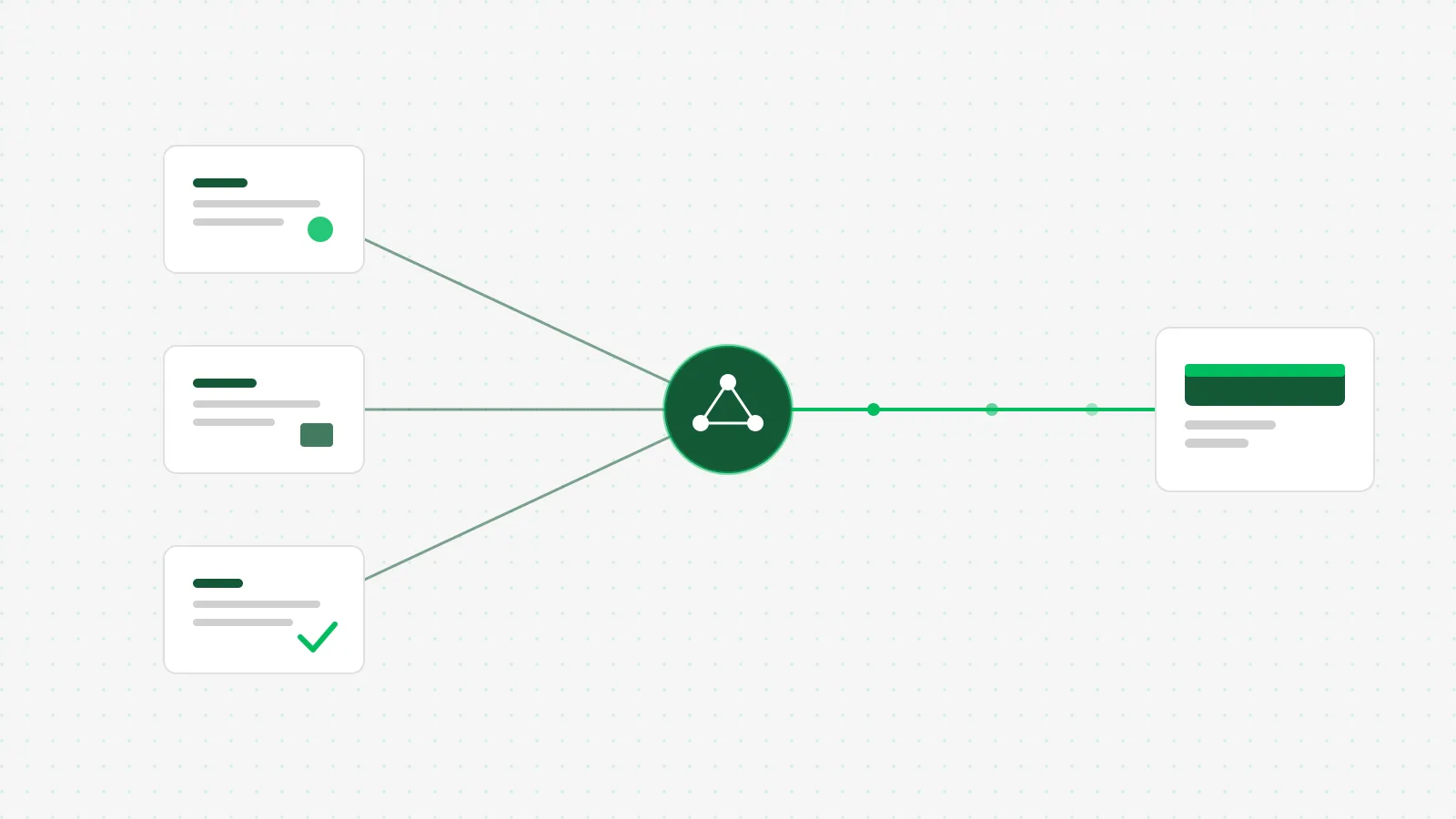 The shopping already happens behind the scenes. The question is whether it happens for you.
How a founder-led business actually uses this
Here is the part that matters if you do not build software for a living. You do not need OpenRouter. You do not need to pick a model at all. The point of this deal is that a mainstream infrastructure company just bet billions that AI model shopping should be invisible, folded into the tools businesses already use for something else entirely, not a separate purchase a founder has to think about.
That has two honest sides.
The first is good news. The AI features quietly bolted onto your CRM, your scheduling tool, or your invoicing software are the ones most likely to get better and cheaper without you doing anything, as the companies behind them buy or build the same kind of routing layer Stripe just bought. You will not get an email that says so. It will just start working better.
The second is a job for you. Bundled and invisible only helps if it is turned on. I still open new client accounts and find an AI-powered feature sitting off by default, or configured with the sloppiest possible settings because nobody went back after the initial setup. Consolidation deals like this one make it more likely that feature is worth turning on now, not less likely you need to check.
The honest math
I am not going to hand you a token price this week. The real number in this story is the one Stripe already paid: over $7 billion, five times what OpenRouter was worth three months earlier, for the right to sit in the middle of AI requests that already flow through tools you use.
That kind of money does not move toward a feature nobody wants. It moves toward one that payment processors, CRMs, and invoicing platforms will now compete to bundle in, the same way free shipping or a built-in calendar became table stakes once one big player offered it. The businesses that benefit fastest will not be the ones that go buy a new AI subscription. They will be the ones already paying for tools that get this upgrade quietly, who actually notice and use it.
This is part of what I do for clients before I build anything new. I go through what they already pay for, GoHighLevel, QuickBooks, Stripe itself, whatever the stack is, and find the AI that is already in the bill before I recommend adding a line item for more.
What to do this week
- List every tool you pay a monthly bill for that touches customers, money, or scheduling. Most founders have three to six of these.
- Log into each one and look specifically for an AI or "smart" feature you have not touched. Most platforms bury it in settings or a separate tab, not the main dashboard.
- Turn on the ones that look relevant and test them for a week on real work, a draft reply, a scheduling suggestion, an invoice reminder, before you decide whether they are worth keeping on.
- Do not sign up for a new standalone AI tool to solve a problem until you have checked whether the tool you already pay for solved it for free somewhere in its settings.
You are already funding this arms race through your subscription bills. The least you can do is use what it buys you.